The Herbal Shop, the Little Lock, and the Envelope
The Full Story of VaeLyun
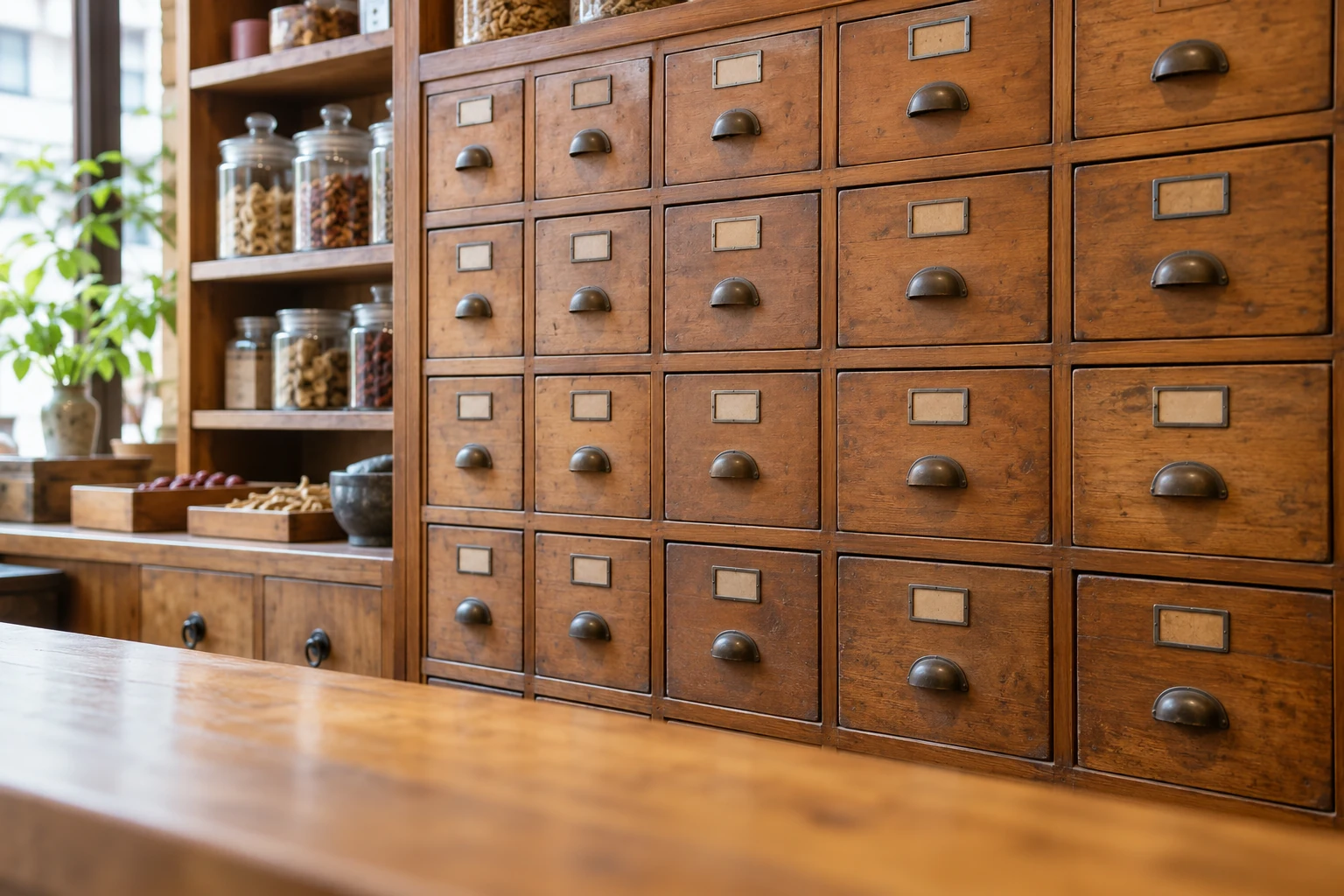
The Scent of the Shop
My earliest memory of scent is not of a temple or a candle, but of my uncle’s herbal shop in Hong Kong.
When you pushed open the door, you first noticed a bitter scent. Slowly, a hint of sweetness came through, like a pot of soup that had been simmering all afternoon. Behind the counter were rows of wooden drawers, the edges of their labels worn shiny. As a child, I used to lean across the counter and try to count them. There were more than a hundred, and I never reached the end.
Three Generations
This is how the story has been passed down in our family: my great-grandfather lived through wartime as a young man, traveled south from mainland China to Hong Kong, and opened a small clinic on Eastern Street. My grandmother told me he once cared for a Daoist priest who had fallen ill. Before departing, the priest left him a few incense recipes as thanks. No one in the family knows where the priest went afterward.
My great-grandfather made incense beads from one of those recipes and hung them by the counter. When neighbors asked for some, he gave them away freely. The recipes themselves stayed within the family.
The clinic later passed to my great-uncle, then to my uncle, and the recipes went with it. Over the decades, my uncle continued to adjust and add to them. He often says, “You can learn a craft. A recipe is gathered little by little. You can’t rush it.”
The Little Lock
When I was small, my uncle gave me a little lock-shaped pendant made from incense beads. The family always called it “Ping An Suo,” meaning “a lock for peace and well-being.” It was the elders’ nickname for it.
It smelled of herbs and wood together. The scent was gentle; I had to bring it close to notice it. He taught me one rule: keep it away from water. Before every bath, I took it off and left it in a small dish by the sink. The first thing I did afterward was put it back on. At night, I tucked it beside my pillow.
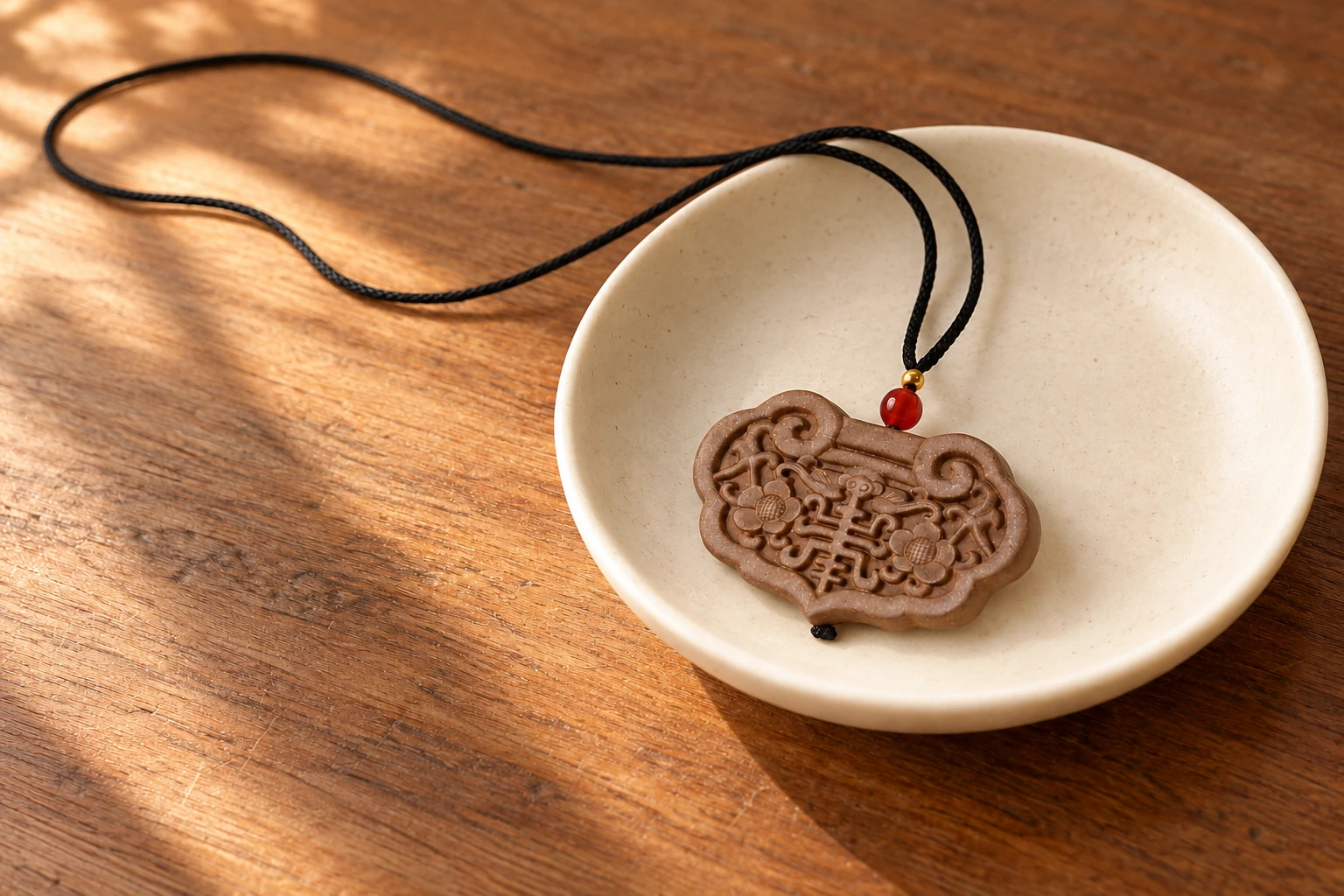
Somewhere along the way, I lost it. I searched for a long time and felt sad for longer. My uncle probably doesn’t remember that little lock. I do.
The Envelope
When I grew up, I studied jewelry design. Working with bead sizes, materials, and proportions every day, I became used to looking first at size, then at color, and finally at how a piece looked when worn.
But whenever I sketched a beaded design, I thought of that little lock. I kept returning to one question: how could an incense bead sit alongside other beads, retain its own character, and become part of something someone would want to wear?
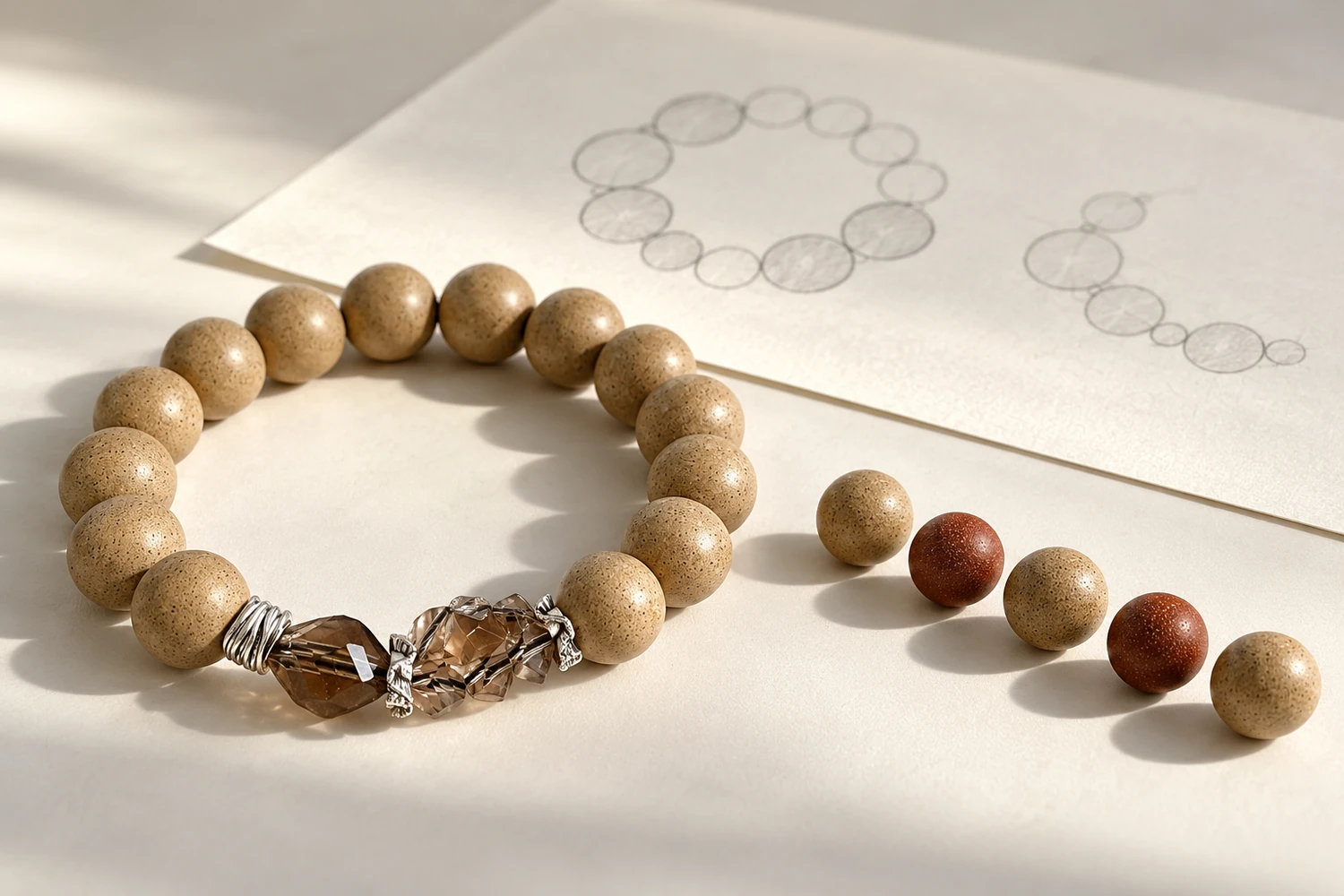
One day, I brought a sketch of a beaded design to my uncle. He studied it for a long time, picked up an incense bead from the counter, and turned it in his hand.
“You studied jewelry design, and our family has these incense beads,” he said. “Perhaps the two were meant to meet.”
Then he asked whether I wanted to carry on working with the family’s recipes.
“I’d like to try,” I said.
He reached into the back of a cabinet, took out an old envelope, and slid it toward me.
“I trust you with these recipes. You can make something new from them. Don’t let this end with me.”
Inside was a stack of pages, some handwritten and some photocopied, their edges worn soft. Proportions, preparation methods, and notes on adjustments filled the pages. They held more than a few recipes. They held three generations of work and care, gathered little by little.
VaeLyun
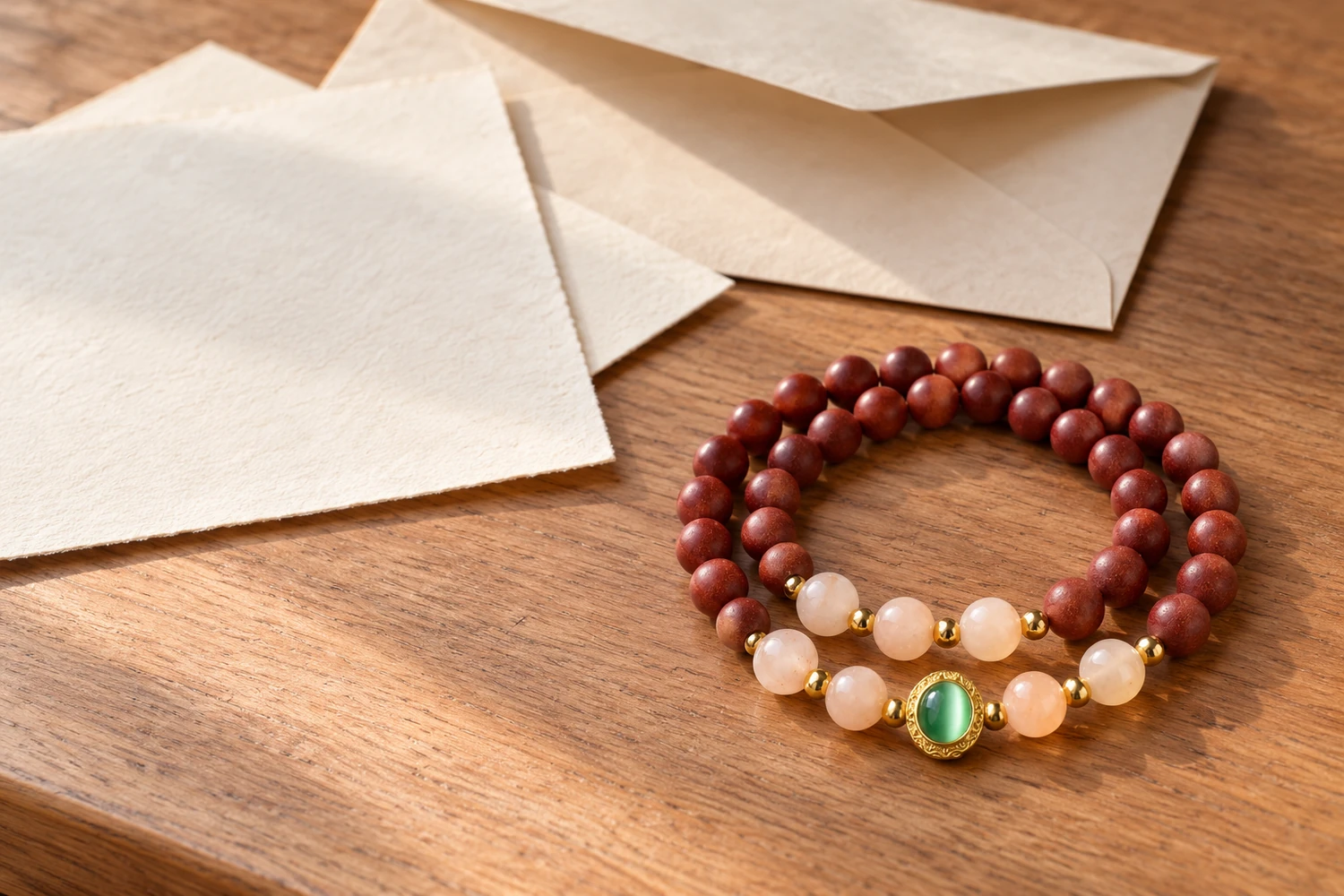
VaeLyun is that envelope, still moving forward.
We begin with the incense recipe records our family has kept and our memories of how those blends were made. Each product page describes the aromatic materials and blend details we have confirmed for that piece. The bead sizes, colors, combinations, and the way a piece looks on the wrist are what I design.
It all begins with a single incense bead.